

If you’re facing a mastectomy or lumpectomy for breast cancer, the physical and emotional changes that follow can be profound. Losing a breast (or both) affects how you look, how clothing fits, and how you feel in your own body. Many women find that breast reconstruction after surgery is an important part of reclaiming a sense of wholeness. Others choose not to reconstruct, or put off the decision until a later time when they feel ready. Both paths are valid, and the path you choose is deeply personal.
Breast reconstruction is a surgical procedure designed to restore the shape of the breast after mastectomy or lumpectomy. Getting a breast reconstruction can offer a sense of closure by addressing these changes as part of a complete recovery from cancer. The reconstruction can take place at the time of the original cancer surgery or at a later date, and it may involve one procedure or a series of steps over time. Dr. Mouchantat works closely with each patient to create natural-looking, personalized results that elegantly restore breast shape following mastectomy.
Who Is a Candidate for Breast Reconstruction?
You may be a candidate for breast reconstruction if you:
- Have had or are planning to undergo a mastectomy or lumpectomy
- Have completed or are undergoing breast cancer treatment, with clearance from your oncologist to proceed
- Want to restore your feminine contours after cancer treatment
- Understand that reconstruction may involve more than one procedure
- Are prepared for the recovery that reconstruction requires
- Have realistic expectations about surgical outcomes
Some patients are candidates for immediate reconstruction at the time of mastectomy; others are better served by delayed reconstruction after cancer treatment is complete. Your oncology team and Dr. Mouchantat will help you determine which timing may be right for your situation.
Benefits of Breast Reconstruction
Breast reconstruction offers a wide range of benefits, including:
- Restored breast shape after mastectomy
- A more symmetrical breast contour
- Improved comfort and fit in clothing and swimwear
- The option to rebuild breasts using implants or your own tissue
- Flexible timing options for your reconstruction, based on your cancer treatment plan
- Reduced reliance on an external breast prosthesis
- Results designed to look as natural as possible
- Often, a sense of emotional closure after completing your cancer treatment
Breast reconstruction is not required for any woman dealing with breast cancer. The decision whether to reconstruct — and how, and when — is deeply personal, and Dr. Mouchantat will support whatever choice you make.
About the Procedure
Breast reconstruction is performed under general anesthesia in a hospital setting. The procedure is a highly individualized process. Some patients are candidates for a single reconstructive surgery performed at the time of mastectomy. Others will undergo a staged process that begins with tissue expansion and is completed in a second procedure months later. In either case, Dr. Mouchantat will explain your options clearly during your consultation and develop a surgical plan that fits your anatomy, your cancer treatment history, and your goals.
Surgical Techniques
The surgical techniques used for your procedure depend on the reconstruction approach chosen and your individual anatomy.
- Implant-based reconstruction: Some patients are candidates for direct-to-implant reconstruction, in which an implant is placed beneath the chest muscle at the time of mastectomy. Others require a two-stage process: a tissue expander is placed at the time of mastectomy and gradually filled with saline over a period of weeks to months, and then it is exchanged for an implant in a second procedure.
- Flap reconstruction: Dr. Mouchantat will harvest tissue from another area of your body and use it to carefully recreate the breast mound. In some cases, an implant is also placed to achieve the desired volume.
- Nipple and areola reconstruction: When desired, this is typically performed as a separate procedure once the reconstructed breast shape has fully settled. Tattooing may be used to recreate areola color.
Dr. Mouchantat plans the full surgical sequence in advance to ensure each component works together and that the overall result will look natural and harmonious.
Reconstruction Options
The two main approaches to breast reconstruction are implant-based reconstruction and flap reconstruction. The right approach depends on your body type, the extent of the mastectomy, whether radiation is part of your treatment plan, and your personal preferences. Dr. Mouchantat is experienced in both reconstruction approaches.
1. Implant Reconstruction
- Direct-to-Implant Reconstruction: A breast implant is inserted at the time of mastectomy in a single surgical step.
- Delayed Implant Reconstruction: A two-stage process beginning with the placement of a tissue expander in the breast. The tissue expander is gradually filled with saline over a period of weeks to months, creating room for the final implant. The final stage is a second surgical procedure in which the tissue expander is exchanged for an implant.
2. Flap Reconstruction (Using Your Own Tissue)
- Latissimus Flap: Uses muscle and skin from the back to shape the reconstructed breast, typically combined with an implant. This approach is particularly well-suited for patients who have had or will need radiation therapy, and for creating a natural match to the shape of the opposite breast.
- DIEP Flap: A microsurgical technique using skin and fat from the lower abdomen, without removing the underlying muscle.
- TRAM Flap: Uses tissue from the lower abdomen, including the underlying muscle.
- SGAP and SIAE Flaps: Microsurgical techniques using tissue from the buttock or hip area.
Microsurgical flap procedures require reconnecting the blood vessels that supply the transferred tissue. Flap procedures are more involved surgeries with longer recovery times, but for some patients they produce the most natural-feeling result. Dr. Mouchantat will walk you through which options apply to your situation and help you weigh the trade-offs.
Recovery and Results
Recovery from breast reconstruction varies significantly depending on the type of reconstruction performed. Flap procedures, which involve a donor site in addition to the chest, typically involve a longer recovery time than implant-based reconstruction. Most patients can expect:
- 1
Weeks One and Two
Swelling, discomfort, and fatigue are common following any reconstruction. Temporary drains are typically placed and will be removed once drainage levels decrease. Physical activity is restricted; short walks several times a day help maintain circulation.
- 2
Weeks Three through Five
Gradual improvement in comfort and energy. Most patients return to desk work and light daily activities within two to four weeks, depending on the type of reconstruction and the physical demands of their job.
- 3
Week Six and Beyond
Most patients are cleared for more strenuous activity. Physical demands should be reintroduced gradually under Dr. Mouchantat’s guidance.
For patients undergoing staged implant reconstruction, the second procedure will take place several months after the first surgery, once the expander has reached the desired fill and any remaining cancer treatment is complete. This second surgery typically has a shorter recovery than the initial procedure.
Results improve as swelling resolves over the following months. Nipple and areola reconstruction, when desired, is typically scheduled once the breast shape has fully settled (often 3 to 6 months after the primary procedure). Results are designed to be long-lasting and to look as natural as possible given your anatomy and the reconstruction approach used.
Breast Reconstruction FAQs
When should I start thinking about reconstruction?
Ideally, before your mastectomy — even if you are not sure yet whether you want to reconstruct. Meeting with Dr. Mouchantat before your breast cancer surgery will help you to understand all of your options, which may include immediate reconstruction. That said, delayed reconstruction is always available, and many women choose to wait until after cancer treatment is complete or until they feel ready.
Will the reconstructed breast look and feel natural?
The goal of breast reconstruction is to create a breast shape that looks natural and is proportional to your body. The final results vary depending on the technique used and your anatomy. Dr. Mouchantat will be honest with you about what to expect from your specific plan, including what your result is likely to look and feel like.
How many procedures does breast reconstruction take?
This depends on the approach. Some patients complete reconstruction in a single procedure at the time of mastectomy. Others undergo staged procedures — tissue expansion followed by implant exchange months later. Nipple and areola reconstruction, when desired, is typically a separate additional procedure. Dr. Mouchantat will outline the full expected sequence at your consultation.
Does insurance cover breast reconstruction?
Federal law (the Women’s Health and Cancer Rights Act) requires most health insurance plans to cover breast reconstruction after mastectomy. Coverage typically includes the reconstructive surgery itself, surgery to achieve symmetry on the opposite breast, and external prostheses when reconstruction is not performed. Your specific plan’s terms should be reviewed with your insurance provider.
What is the difference between implant reconstruction and flap reconstruction?
Implant-based reconstruction uses a breast implant (with or without a tissue expander first) to recreate the breast shape. Flap reconstruction uses your own tissue, transferred from another part of your body. Implant-based reconstruction typically has a shorter recovery and involves no donor-site scar, while flap reconstruction often produces a softer, more natural result. The right approach depends on your anatomy, treatment history, and personal priorities.
Can I have reconstruction years after a mastectomy?
Yes. Delayed reconstruction can be performed months or even years after mastectomy. It is a personal decision, and there is no required timeline for reconstruction. Dr. Mouchantat will assess your current anatomy and health to build a reconstruction plan that fits your situation — whether that means immediate reconstruction at the time of your mastectomy, a staged approach over several months, or delayed reconstruction years later.
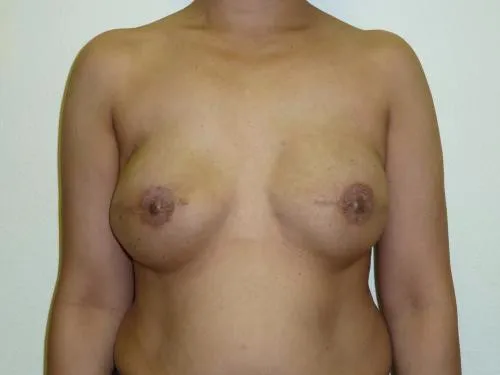
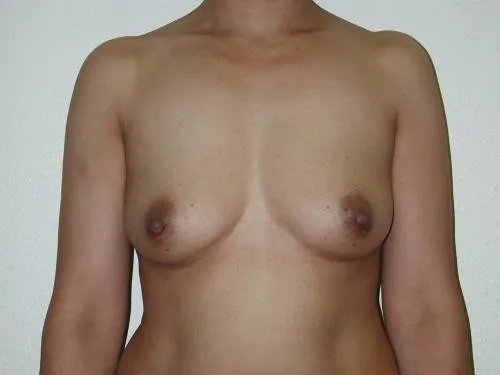
Breast Reconstruction Before & After Photos
View More Before & After Photos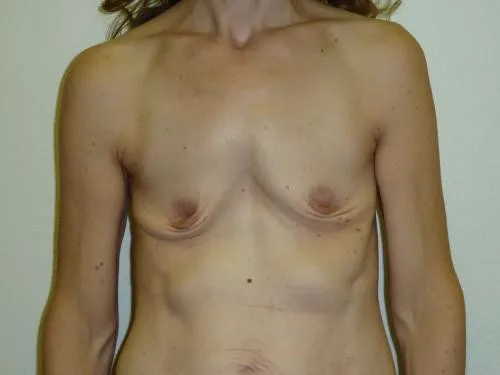
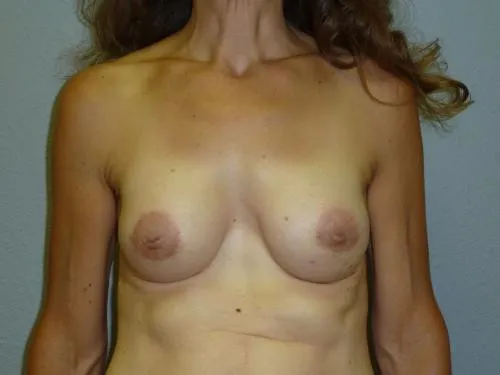
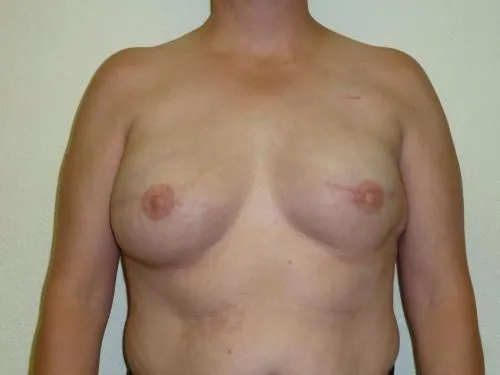
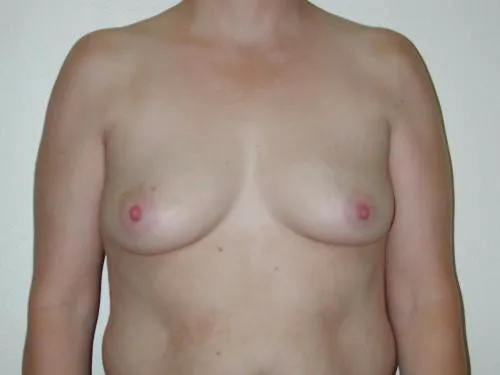
Breast Reconstruction Resources
- Breast Reconstruction Before and After Photos
- Breast Reconstruction Pre and Post Op Instructions
- Breast Augmentation Surgery (implant options relevant to reconstruction patients)
- Breast Lift Surgery (symmetry procedure for those with breast sagging on the opposite breast)